
- Apr 18, 2018
Recipe - Fish Foil Packet Grillers
A simple and fun new way to cook fish and veggies on the grill!
Prep Time: 15 min
Cook Time: 8 min
Serving Size: 4
Ingredients
- 2 lemons, each cut into 10 slices, ends discarded
- 8 small sole fillets (or your favorite white fish - 1 lb.)
- 1/2 cup (1/2 of 8-oz. tub) Chive & Onion Cream Cheese Spread
- 1 green onion, thinly sliced, divided
- 12 fresh asparagus spears, trimmed, cut diagonally into 2-inch lengths
- 1/2 cup chopped red peppers
Directions
- Heat up the grill to medium heat.
- Next arrange 3 lemon slices, slightly overlapping, on half of each of 4 large sheets heavy-duty foil sprayed with cooking spray. Place fish, skinned-sides up, on work surface. Spread each with about one tablespoon of the cream cheese spread; then top each with 2 tsp. onions. Roll it up, starting at thin end of each fillet.
- Place 2 roll-ups, seam-sides down, on lemon slices on each foil sheet; top with asparagus and peppers. Fold each foil sheet to make packet.
- Grill 6 to 8 min. or until the fish flakes easily with fork. Carefully open foil packets; top fish with remaining onions and lemon slices.
Tips
If you don't like asparagus you can substitute sugar snap peas, uncooked green beans or halved grape tomatoes.

-
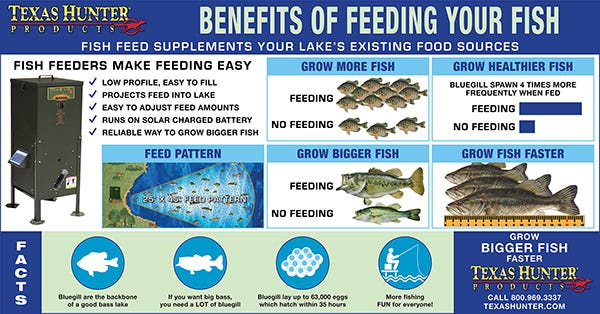
The secret to Texas Hunter’s patented automatic pond fish feeders is in the design and engineering. Texas Hunter Fish Feeders are available in three models or capacities: 70 lbs., 175 lbs., and 250 lbs. of fish feed. Texas Hunter Products has built a reputation in the automatic feeder industry for delivering tough, [...]
-
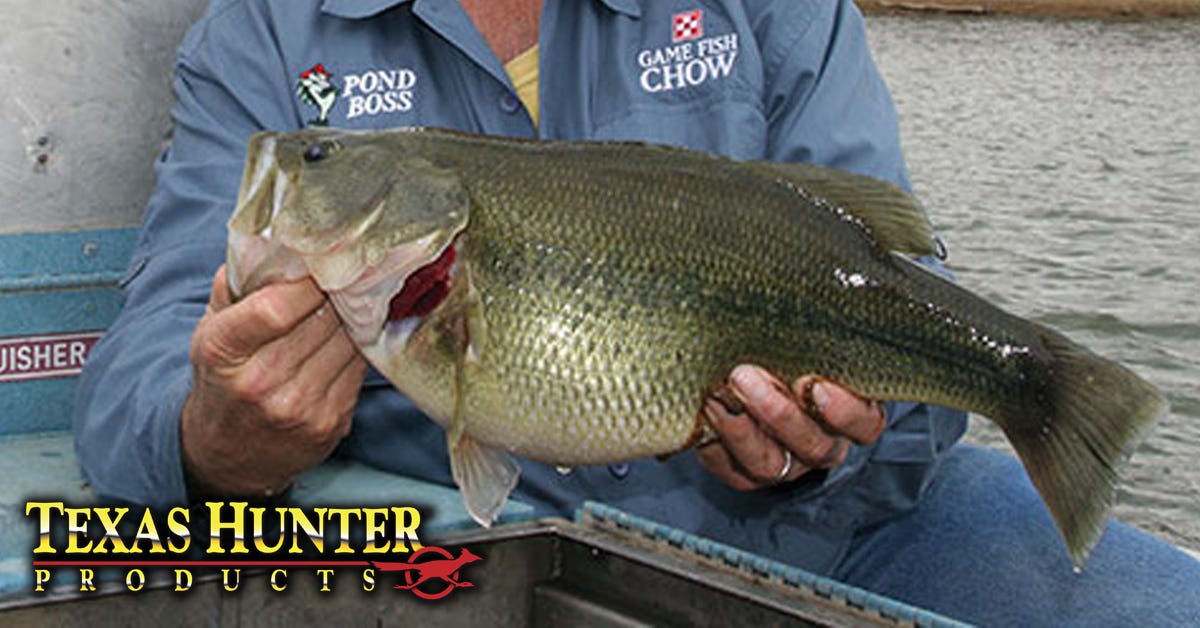 by Bob Lusk the Pond Boss In past years, feeding fish was a past-time. Folks were entertained by the novelty of finny critters chasing floating food pellets on the surface. They had not been informed about the benefits. What a difference a few years and fisheries science has made for today’s off-the chart results for–feeding fish. High [...]
 -
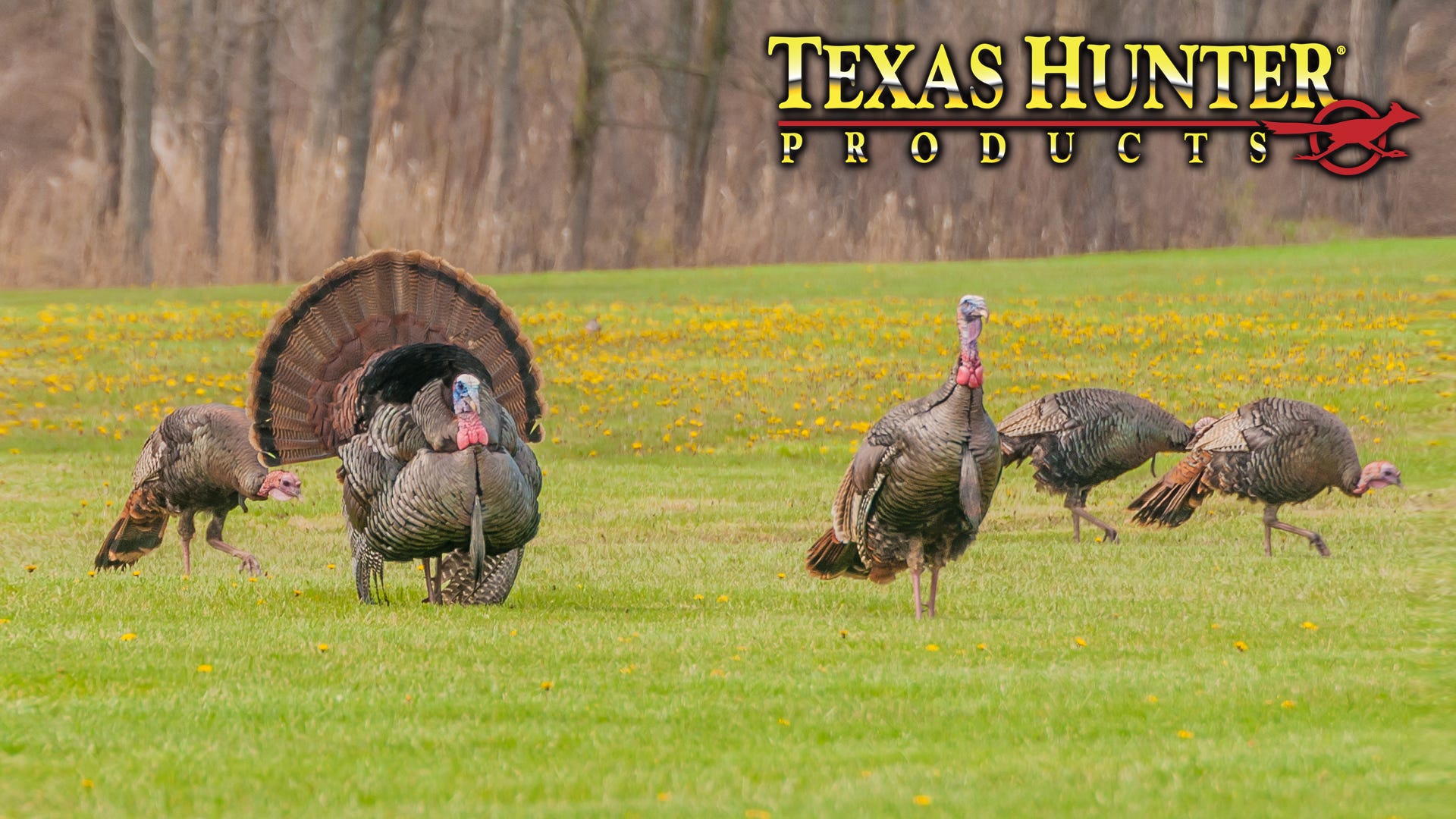
Every spring, countless hunters venture into the forests in search of wild turkeys. Regarded as one of the most demanding hunts, turkey hunting offers a rewarding challenge. Here are some invaluable tips to enhance your lifelong enjoyment of this thrilling sport.
