
- Jul 6, 2015
What is the best Buck to Doe Ratio?

Harvesting the right deer and the right amount of correct deer can have more influence on your hunting results than any other habitat management plan you can implement. It depends upon a manager's goals, but most should try for a balance – an even buck to doe ratio and a uniform age structure usually produces the best results. In the wild it can be hard to achieve a 50/50 buck to doe ratio, but that's what you should strive for. You want both bucks and does of all age classes. If you've never experienced this balance, you've never seen hunting as good as it can get!
-
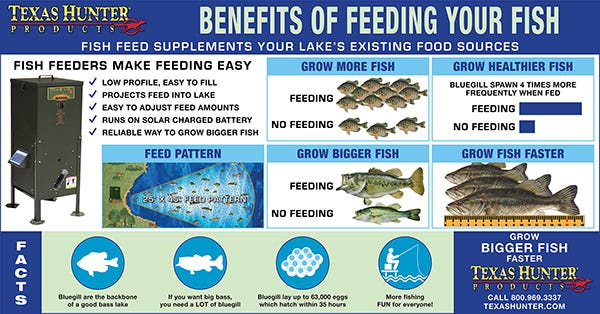
The secret to Texas Hunter’s patented automatic pond fish feeders is in the design and engineering. Texas Hunter Fish Feeders are available in three models or capacities: 70 lbs., 175 lbs., and 250 lbs. of fish feed. Texas Hunter Products has built a reputation in the automatic feeder industry for delivering tough, [...]
-
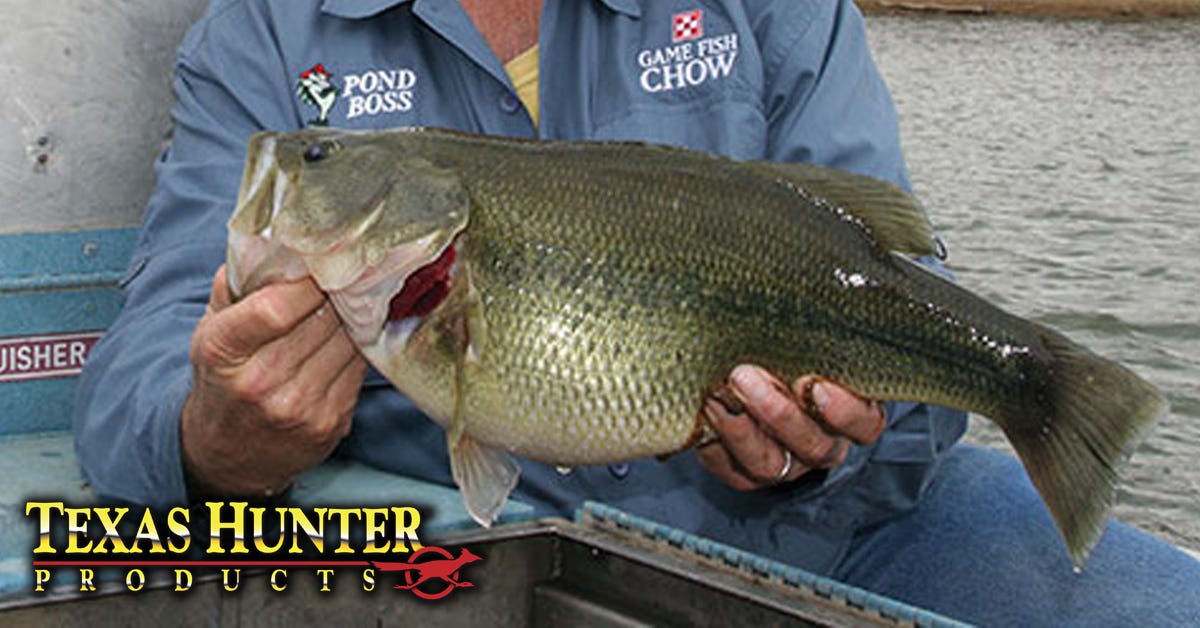 by Bob Lusk the Pond Boss In past years, feeding fish was a past-time. Folks were entertained by the novelty of finny critters chasing floating food pellets on the surface. They had not been informed about the benefits. What a difference a few years and fisheries science has made for today’s off-the chart results for–feeding fish. High [...]
 -
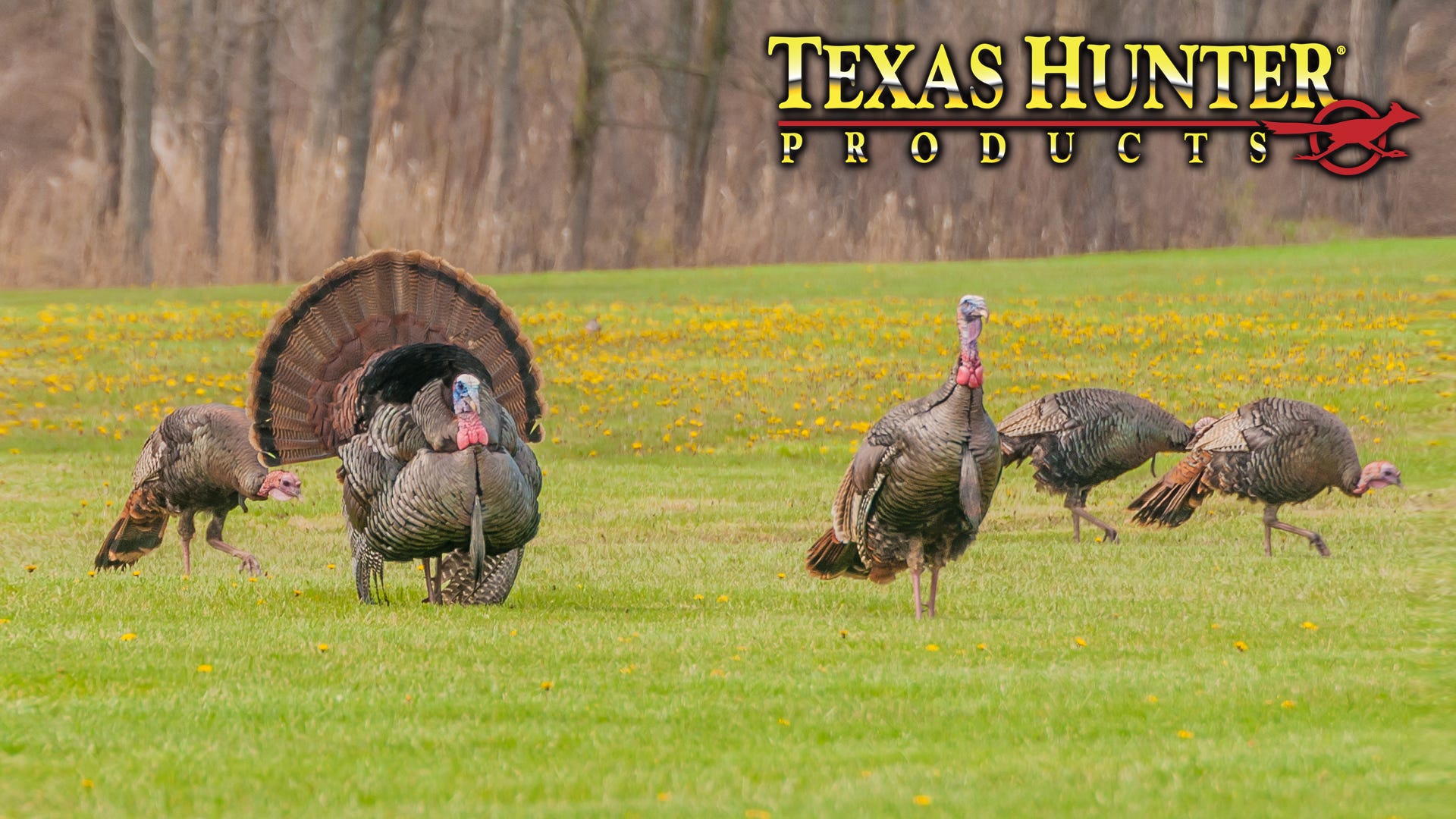
Every spring, countless hunters venture into the forests in search of wild turkeys. Regarded as one of the most demanding hunts, turkey hunting offers a rewarding challenge. Here are some invaluable tips to enhance your lifelong enjoyment of this thrilling sport.
