
- Nov 20, 2015
Texas Hunter Deer Blinds Video
Texas Hunter Products’ deer blinds are built tough and last maintenance free for years out here. Our blinds withstand everything Mother Nature throws at them. Texas Hunter deer blinds are USA-made and feature the patented STARBOARD XL material which is finished on both sides so it looks good and lasts. Texas Hunter STARBOARD XL is one of the strongest materials ever invented for outdoor use and sure better than fiberglass. Our deer blind material is the only one that can lift thousands of pounds! Or take a full shotgun blast because STARBOARD XL isn’t a coating, its strength built-in. Yet, STARBOARD XL is so light, Texas Hunter deer blinds are easy-to-move. PLUS, STARBOARD XL will never rust or rot as we proved by burying a piece of it in the ground for 8 months. When we dug it up, STARBOARD XL showed its amazing memory as it got back its just-like-new look. Now that’s durability. That’s Texas Hunter’s no-maintenance deer blinds! See our full selection of Texas Hunter deer blinds with STARBOARD XL at http://www.texashunterproducts.com/hunting-blinds. Learn more about Texas Hunter Products at http://www.TexasHunter.com and visit our blog at http://www.texashunterproducts.com/blog.
-
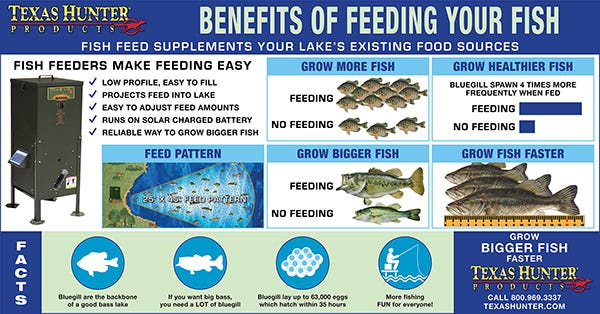
The secret to Texas Hunter’s patented automatic pond fish feeders is in the design and engineering. Texas Hunter Fish Feeders are available in three models or capacities: 70 lbs., 175 lbs., and 250 lbs. of fish feed. Texas Hunter Products has built a reputation in the automatic feeder industry for delivering tough, [...]
-
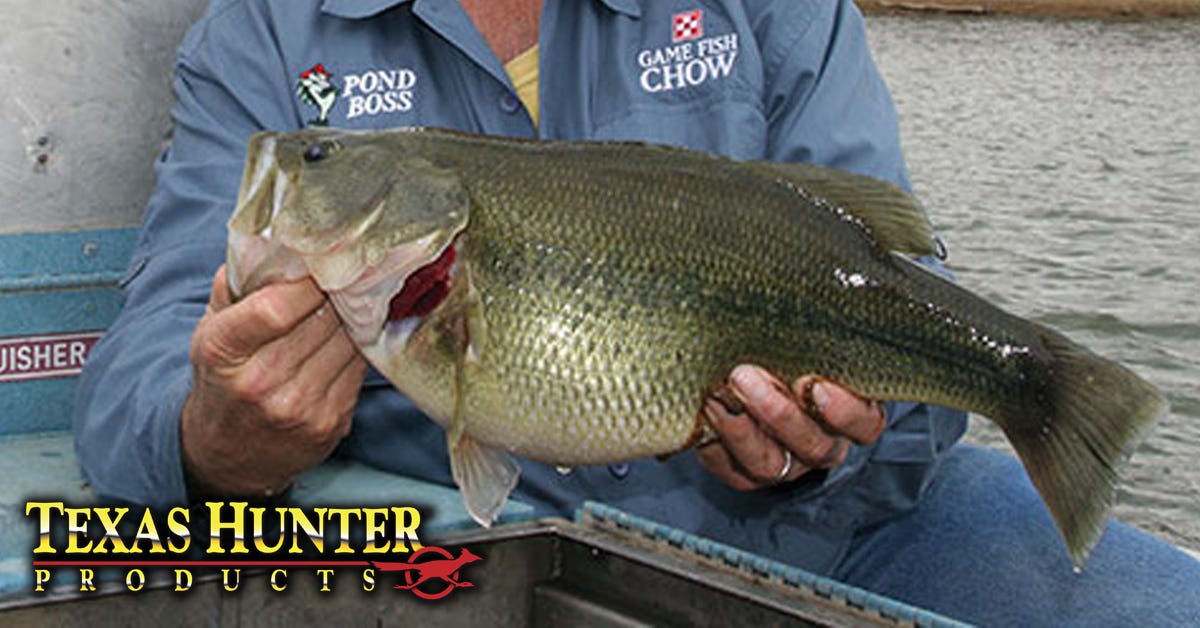 by Bob Lusk the Pond Boss In past years, feeding fish was a past-time. Folks were entertained by the novelty of finny critters chasing floating food pellets on the surface. They had not been informed about the benefits. What a difference a few years and fisheries science has made for today’s off-the chart results for–feeding fish. High [...]
 -
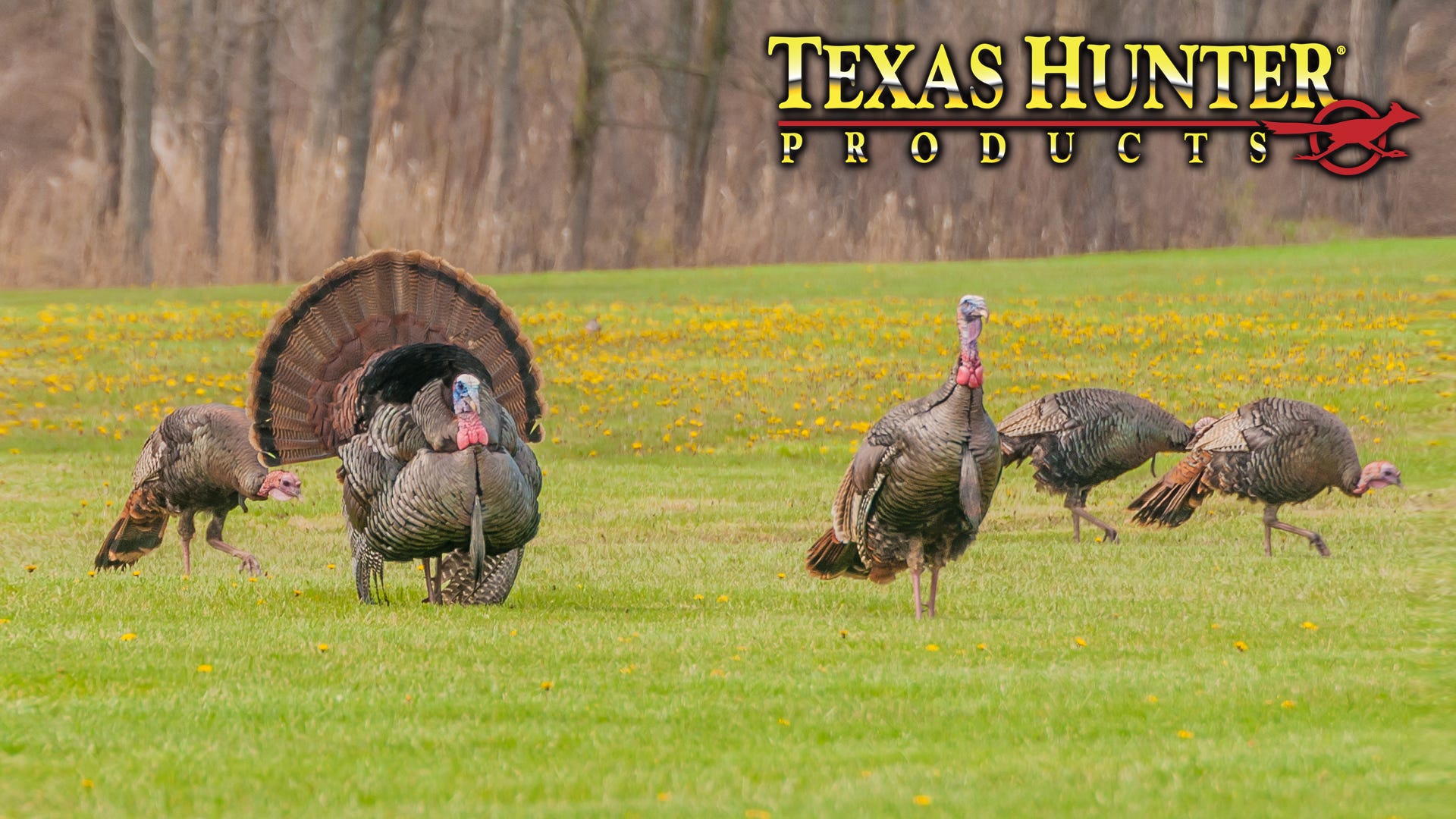
Every spring, countless hunters venture into the forests in search of wild turkeys. Regarded as one of the most demanding hunts, turkey hunting offers a rewarding challenge. Here are some invaluable tips to enhance your lifelong enjoyment of this thrilling sport.
