
- Nov 4, 2015
How to make the best Venison Burger you’ve ever tasted
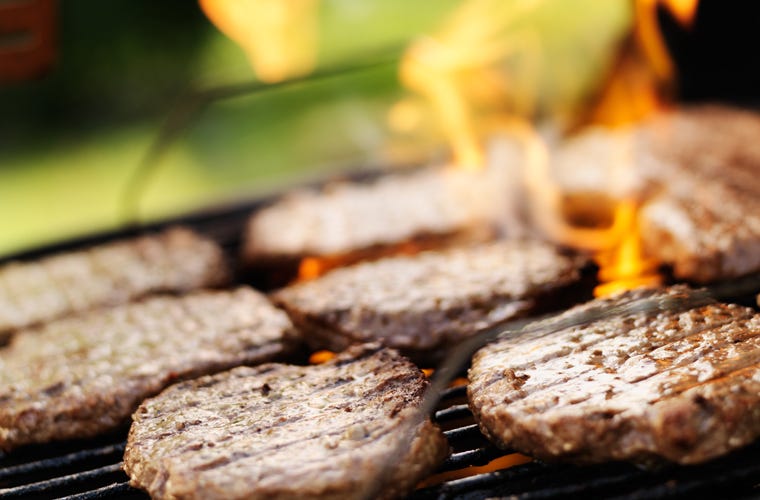
- Venison by itself doesn’t have enough fat – you’ll need to add some. If you’re grinding your own meat, mix-in some pork to increase the fat content. Ask your meat processor to add in some pork fat.
- Add some bacon. Pick-up some “bacon trimmings” at your local grocery store. Crispy bacon is great and adds a tasty flavor to venison burgers.
- Just a little salt – only on the outside - will bring out the flavor of the venison. If you salt the meat inside, it’ll change the texture of the burger.
- You’ll need to cook Venison burgers different than regular ground beef burgers because of the lack of fat, even when you add some. Flip your burgers after about 3 to 4 minutes, once that initial sizzle has subsided.
- Add your favorite toppings and cheese.
Related Posts
-
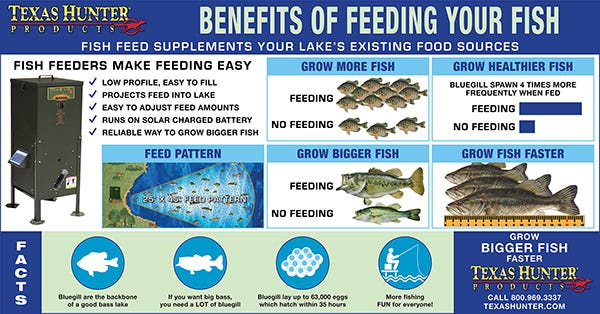
The secret to Texas Hunter’s patented automatic pond fish feeders is in the design and engineering. Texas Hunter Fish Feeders are available in three models or capacities: 70 lbs., 175 lbs., and 250 lbs. of fish feed. Texas Hunter Products has built a reputation in the automatic feeder industry for delivering tough, [...]
-
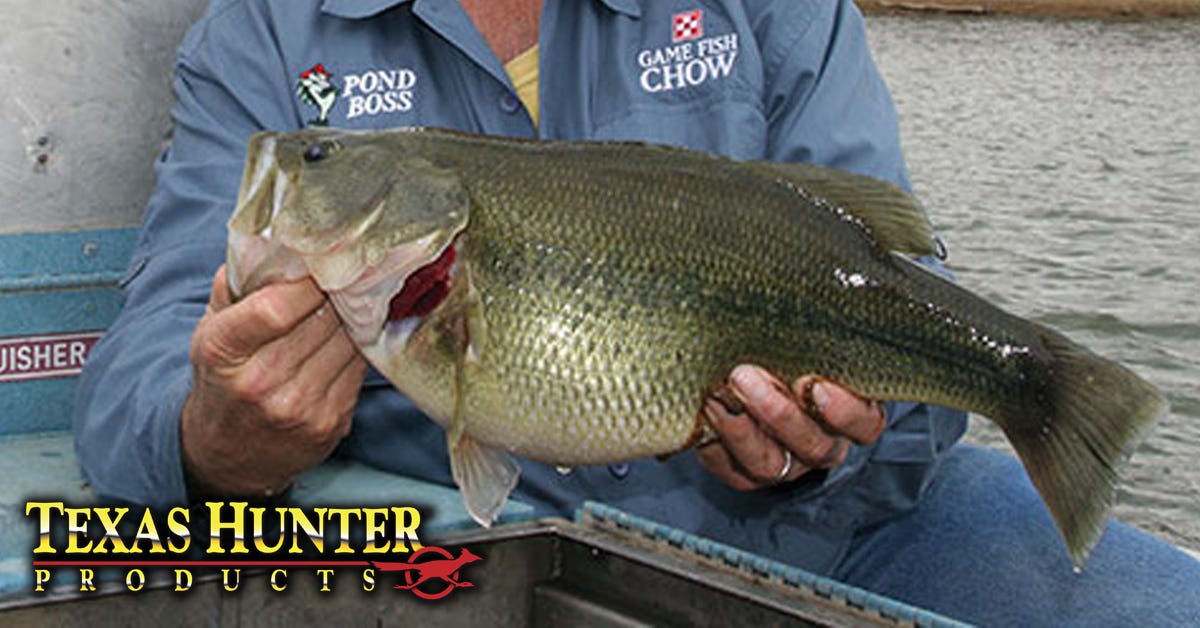 by Bob Lusk the Pond Boss In past years, feeding fish was a past-time. Folks were entertained by the novelty of finny critters chasing floating food pellets on the surface. They had not been informed about the benefits. What a difference a few years and fisheries science has made for today’s off-the chart results for–feeding fish. High [...]
 -
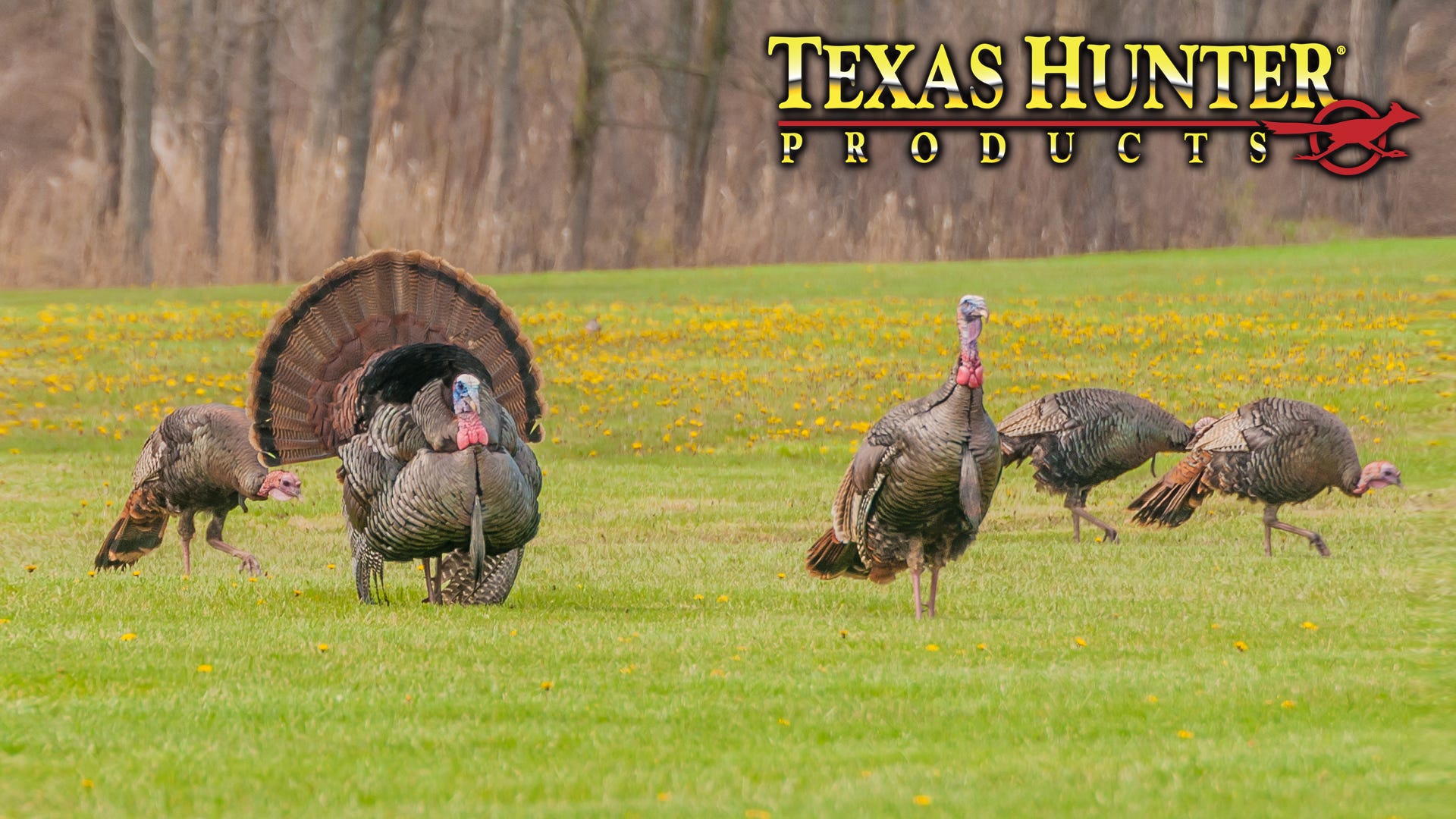
Every spring, countless hunters venture into the forests in search of wild turkeys. Regarded as one of the most demanding hunts, turkey hunting offers a rewarding challenge. Here are some invaluable tips to enhance your lifelong enjoyment of this thrilling sport.
