
- Nov 2, 2016
Grilled Orange Spiced Dove
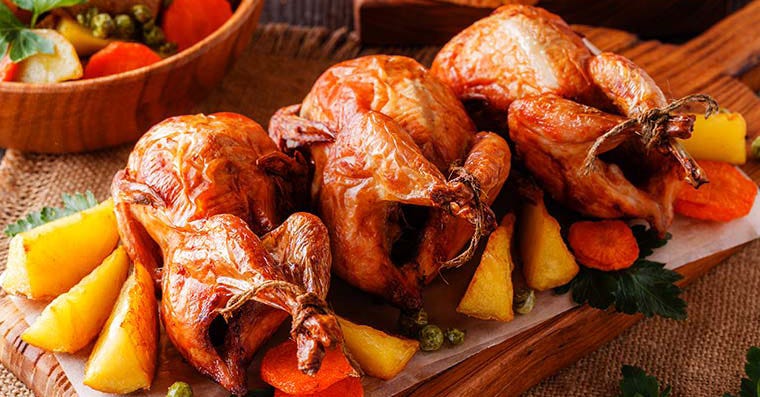
Makes: 4 Servings
8 whole dove
2 cups orange juice
1 tablespoon honey
½ cup olive oil
1 tbsp. smoked paprika
2 minced garlic cloves
2 tbsp. chopped fresh thyme leaves
Salt and Pepper
Directions:
In a shallow dish, whisk the orange juice, honey, olive oil, garlic, thyme and smoked paprika.
Divide the marinade between two large zipper-top bags and put four doves in each bag. Allow doves to marinate for 1 hour.
Once marinated, they’re ready to cook. Preheat gas grill on medium-high.
Remove doves from the marinade and sprinkle with salt and pepper to taste. Transfer remaining marinade in to a small bowl.
Place the doves, breast-side up over direct heat and grill. Baste periodically with remaining marinade. Turn doves frequently moving them around to prevent charring, for about 6 minutes. Flip the doves and cook for another 5-6 minutes on the other side. Cook, just until the drumstick moves easily. Don’t overcook them, the dove should be just cooked through. Enjoy!
-

The secret to Texas Hunter’s patented automatic pond fish feeders is in the design and engineering. Texas Hunter Fish Feeders are available in three models or capacities: 70 lbs., 175 lbs., and 250 lbs. of fish feed. Texas Hunter Products has built a reputation in the automatic feeder industry for delivering tough, [...]
-
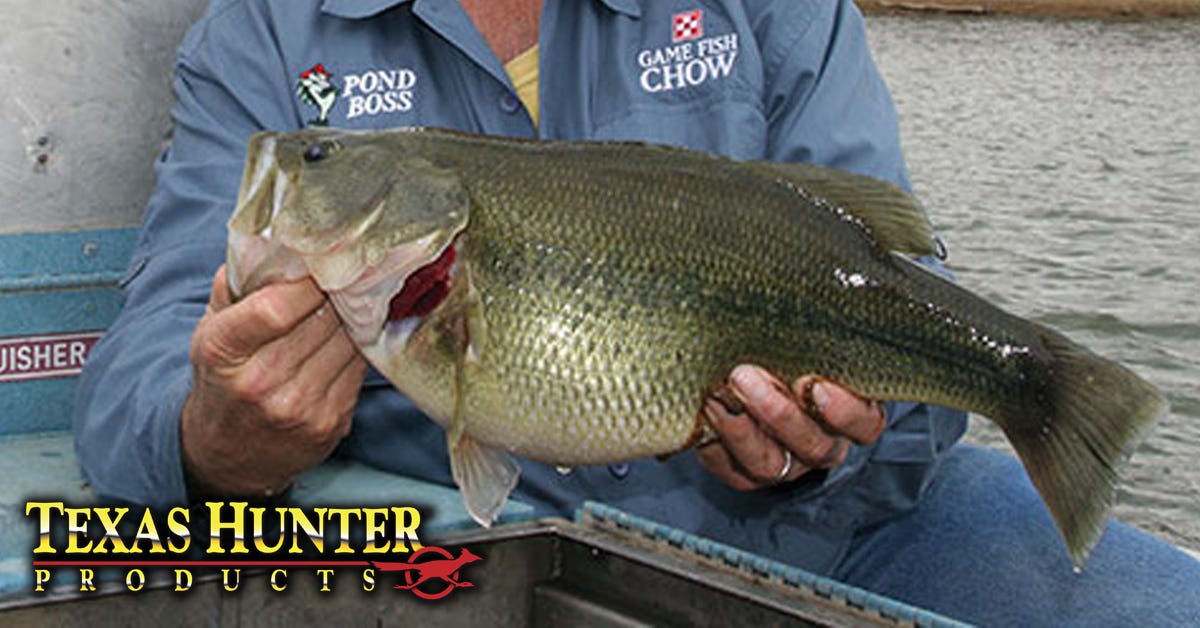 by Bob Lusk the Pond Boss In past years, feeding fish was a past-time. Folks were entertained by the novelty of finny critters chasing floating food pellets on the surface. They had not been informed about the benefits. What a difference a few years and fisheries science has made for today’s off-the chart results for–feeding fish. High [...]
 -
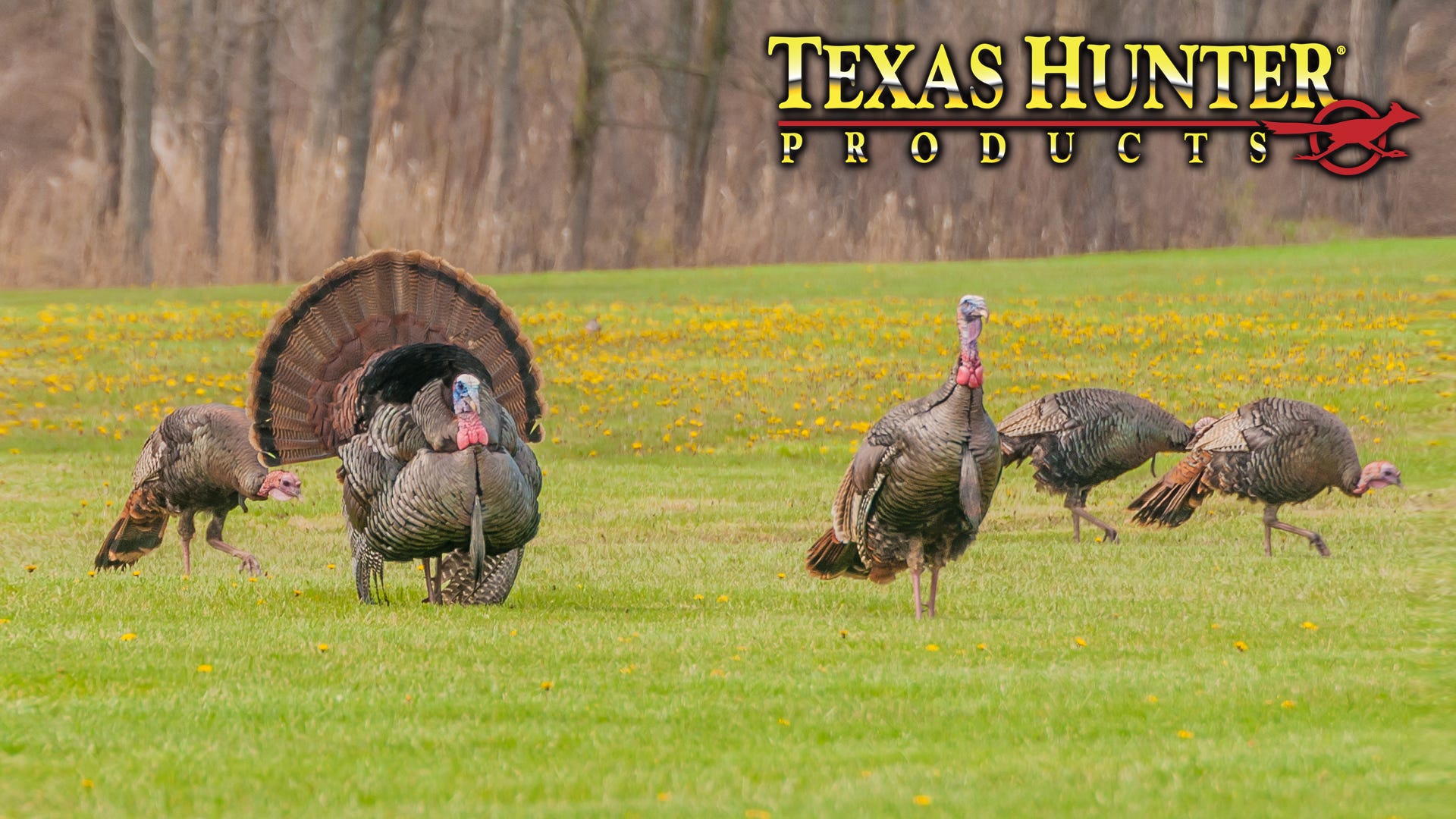
Every spring, countless hunters venture into the forests in search of wild turkeys. Regarded as one of the most demanding hunts, turkey hunting offers a rewarding challenge. Here are some invaluable tips to enhance your lifelong enjoyment of this thrilling sport.
